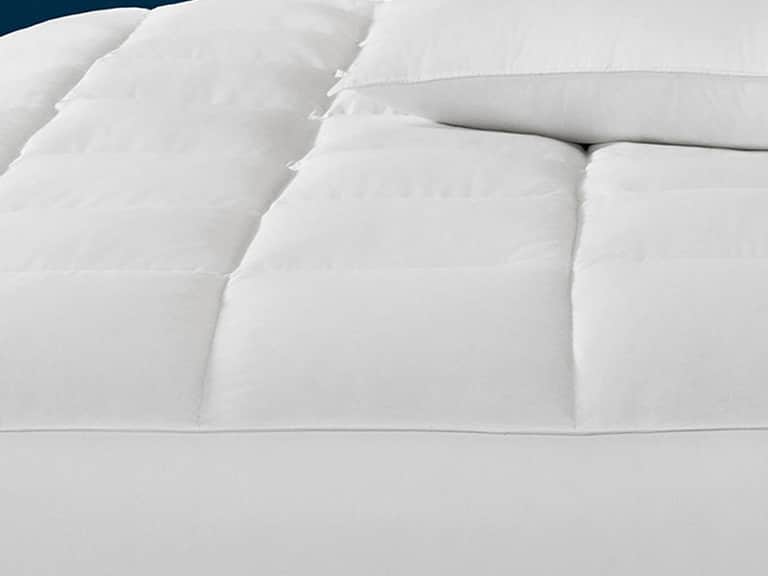
Bedding encompasses the layered essentials that influence sleep quality, including protective covers, comfort layers, and breathable fabrics. This category highlights how mattresses, pads, sheets, and pillows interact to create a stable sleeping surface, regulate temperature, and reduce motion transfer. Key features to consider include construction materials, moisture-wicking properties, and durability aligned with user needs such as side or back sleeping positions.
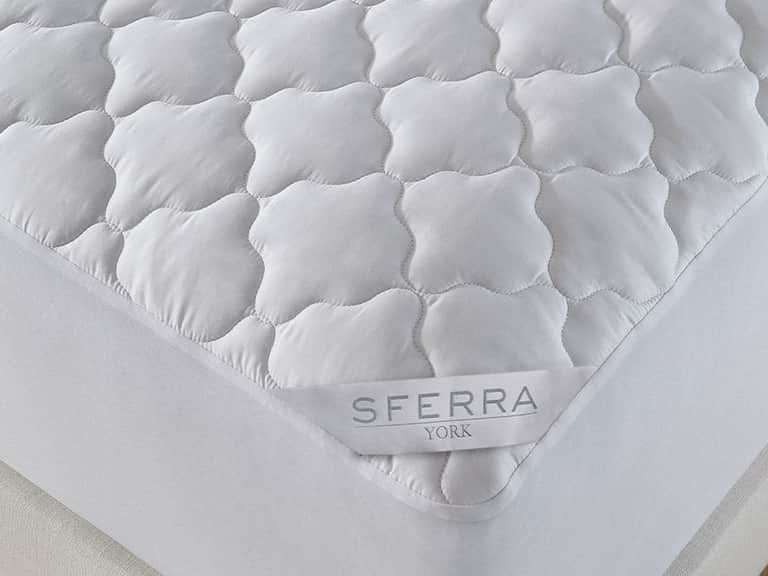
Mattress pads, such as the York Mattress Pad and Monmouth Mattress Pad, provide an additional comfort and protection layer without altering the support structure of a mattress. These pads commonly incorporate quilting, breathable membranes, and hypoallergenic fills to enhance protection against allergens while maintaining a balanced sleep surface for various sleeping styles.
Sheets and pillow fabrics influence temperature regulation and tactile experience. Natural fibers like cotton or bamboo blends offer softness and moisture management, contributing to a cooler, more comfortable night. The right sheet set works with pillow configurations to support neck alignment and reduce friction during repositioning through the night.
Organic mattresses and latex options within bedding emphasize eco-friendly materials and resilient support. Organic mattresses aim to minimize chemical exposure, while latex provides responsive cushioning with airflow that can help regulate heat. Understanding material certifications and firmness levels helps determine suitability for different sleepers and bedroom environments.
In addition to comfort, bedding selection should consider maintenance and longevity. Care guidelines for pads, sheets, and pillows influence durability and hygiene, and a well-balanced bedding setup supports consistent sleep cycles. By evaluating material composition, layering strategies, and functional benefits, users can align bedding choices with personal comfort and health priorities.
 Bedding