Understanding Organic Mattresses: Materials, Benefits, and Maintenance
An introductory guide to organic mattresses, focusing on common organic materials, certifications, and practical tips for care and longevity. Learn how organic options compare to conventional mattresses in terms of environment, health, and durability.
In a world where sleep quality is increasingly tied to overall well-being, the choice of a mattress matters more than ever. Organic mattresses promise a different relationship with rest: materials sourced with fewer synthetic additives, processes that emphasize ecological balance, and a design philosophy that prioritizes breathability and comfort. This article explores what makes a mattress truly organic, how to interpret certifications, and how to care for these sleeping surfaces so they perform well for years.
What makes a mattress organic?
At its core, an organic mattress denotes that several key materials meet recognized organic standards, and that the manufacturing practices align with environmental and health-conscious principles. The most common organic components include organic cotton, natural latex (Dunlop or Talalay processing), and organic wool. Each of these elements serves a distinct role in the mattress’s feel, temperature regulation, and durability.
Organic cotton provides the outer casing or cover and often forms part of the inner comfort layers. Because cotton is cultivated without synthetic pesticides or fertilizers in organic systems, it reduces chemical exposure and contributes to a more sustainable supply chain. Organic wool acts as a natural flame retardant and moisture regulator, helping to wick away humidity and maintain a cooler, drier sleeping surface. Latex, whether in Dunlop or Talalay form, offers resilience and a responsive contouring that many sleepers find ideal for pressure relief and spinal alignment.
The combination of these materials, when racked against conventional alternatives, typically presents a mattress that is cooler, more breathable, and built with a focus on long-term health and environmental standards. The emphasis on organic materials often extends beyond the core components to include an organic cotton or wool quilted cover and a packaging system designed to minimize chemical exposure and waste.
Common organic materials and why they matter
Organic cotton is widely used for the mattress cover and sometimes the top comfort layers. Its production is certified to meet organic standards, which typically means non-GMO fibers grown without chemical pesticides or synthetic fertilizers. For sleepers with sensitive skin or chemical sensitivities, organic cotton offers a familiar, breathable surface that remains comfortable across seasons.
Natural latex is a cornerstone of many organic mattresses. It can be sourced as Dunlop or Talalay latex, with both variants providing a distinct feel. Dunlop latex tends to be denser and more uniform, while Talalay latex is often lighter and plusher, with a softer response. Both types are praised for durability, resilience, and the ability to maintain a supportive yet cushioned surface. When latex is certified organic, it often carries standards such as the Global Organic Latex Standard (GOLS), which ensures organic farming practices for rubber trees as well as processing methods.
Organic wool is a natural fibre that contributes to temperature regulation, moisture management, and flame resistance. Wool fibers can trap air and move moisture away from the body, helping to keep sleepers comfortable throughout the night. In addition, wool’s natural properties offer a level of flame retardancy that can reduce the need for chemical treatments, aligning with the organic ethos.
Certifications to look for
When evaluating an organic mattress, certifications are a practical way to verify the claims. Here are some of the most relevant credentials you might encounter:
- GOTS (Global Organic Textile Standard) — Recognizes organic textiles, including covers and fabrics, ensuring organic fiber content, appropriate processing, and restricted use of harmful chemicals.
- GOLS (Global Organic Latex Standard) — Certifies organic latex throughout the supply chain, from harvesting of rubber trees to processing and final product assembly.
- OEKO-TEX Standard 100 — While not exclusively organic, this standard tests textiles for harmful substances and is commonly found on organic bedding components.
- USDA Organic — Applies to organic farming practices, including raw materials like cotton and wool, where applicable.
In practice, a mattress may carry multiple certifications to cover different components. A cover might be GOTS, while the latex core might carry GOLS, and the overall product could also bear OEKO-TEX testing for textile safety. When shopping, read the product details carefully to understand which elements are certified and what those certifications cover.
Performance, comfort, and longevity
Organic mattresses are not merely about eco-credentials; they also aim to deliver stable, long-lasting support. The responsiveness of latex, the resilience of pocketed coil systems when paired with organic layers, and the breathability of wool and cotton can contribute to a sleep surface that maintains comfort without excessive heat buildup or sagging over time.
Durability is often a key consideration for organic mattresses. Latex cores are known for longevity, with proper care, while wool and cotton components support temperature regulation and structural integrity. In a well-designed organic mattress, the materials work together to prevent deep compression and maintain contouring aligned with your sleep position and weight distribution.
Maintenance and care for organic mattresses
Caring for an organic mattress extends its life and preserves its hygienic environment. Here are practical practices that are commonly recommended by manufacturers and sleep experts:
- Regular rotation: Rotate the mattress 180 degrees every three months for the first year to promote even wear, then seasonally or annually as advised by the manufacturer.
- Temperature and humidity control: Use a breathable mattress protector and ensure your bedroom remains within a comfortable humidity range. Wool and cotton components respond well to balanced moisture management.
- Avoid moisture buildup: If exposure to liquids occurs, blot immediately and follow the manufacturer’s cleaning guidelines. Some organic covers are designed to be spot-cleaned rather than fully machine-washed.
- Vacuum and air: Occasional light vacuuming of the mattress surface can remove dust and allergens. Avoid harsh cleaning agents that could compromise the integrity of organic fabrics.
- Protectors and foundations: Use a quality organic protector to shield the surface from stains and moisture. Ensure the foundation or bed frame provides stable, even support to prevent localized sagging.
Always refer to the manufacturer’s care instructions for specifics about your mattress model. Organic products vary in their construction, so following the provided guidelines is essential to maintaining performance and safety.
A note on compatibility with sleepers and sleep styles
Organic mattresses cater to a broad spectrum of sleepers, but as with any mattress, personal comfort and support preferences matter. Latex-based organic mattresses can offer a balance of buoyancy and contouring that suits back and stomach sleepers especially well, while some sleepers may prefer the softer feel of certain Dunlop or Talalay latex configurations for side sleeping. Wool-infused or cotton-covered designs help with temperature regulation, which can benefit those who tend to overheat at night.
If you’re shopping for a mattress that emphasizes organic materials, consider the following questions:
- Which certifications cover the materials used in the product, and which components do they apply to?
- What is the overall density and firmness balance of the latex layers, and how does it align with your preferred sleeping position?
- How does the cover contribute to breathability and comfort, especially in warmer climates or hot sleepers?
- What is the warranty and return policy, and how does it reflect the expected longevity of organic materials?
Case study: premium organic configurations
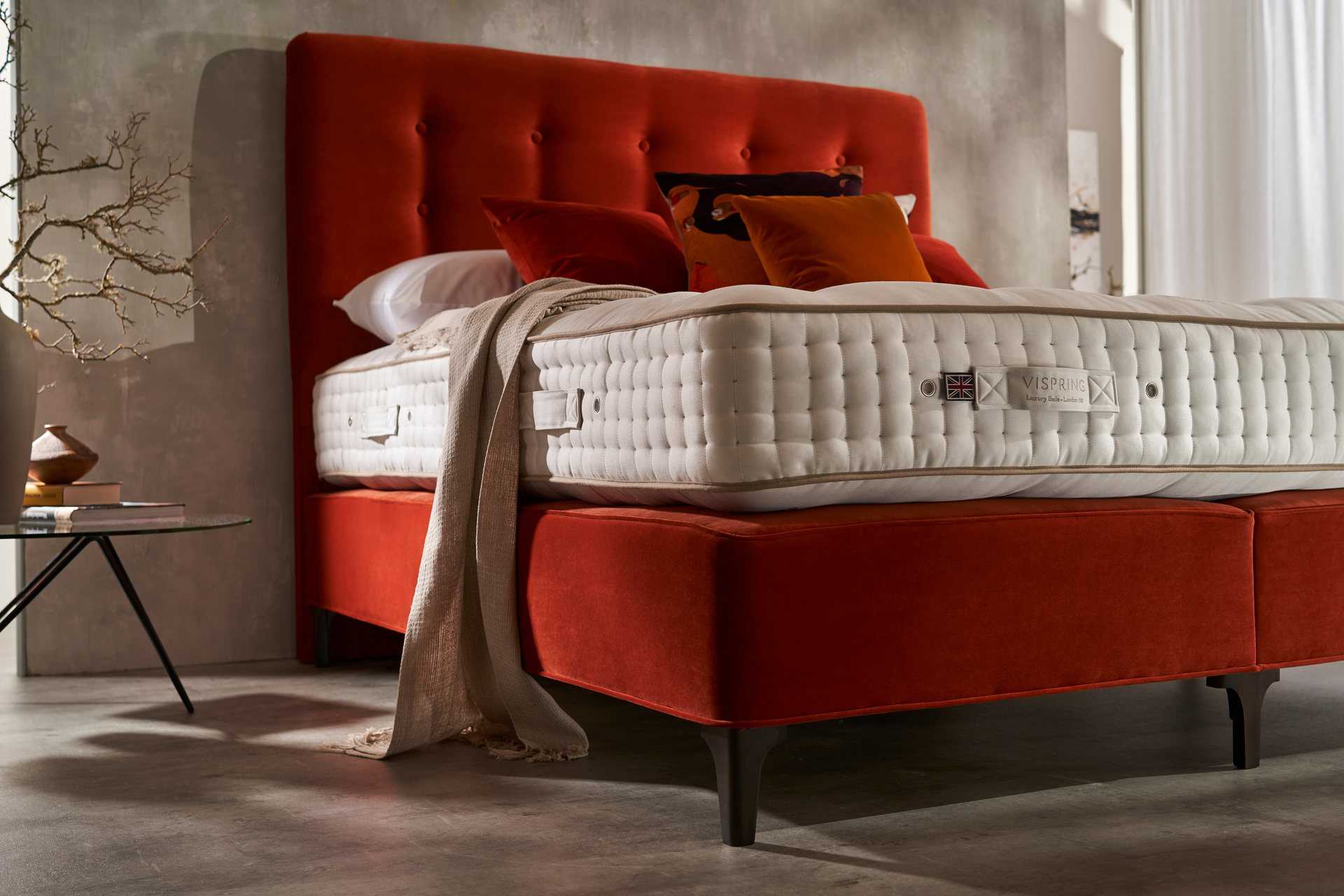
For readers exploring truly premium organic setups, brands often highlight combinations that marry the finest natural materials with meticulous craftsmanship. A typical high-end arrangement may feature a natural latex core encased in organic cotton with a wool batting layer, all resting on a sturdy supportive platform. The emphasis is on long-lasting loft, balanced support, and a microclimate that remains comfortable over the years. While this level of detail may vary by brand, the underlying principles remain consistent: organic integrity, thoughtful layering, and durability.
Product placement and practical options
Within a curated bedding catalog, organic options often pair with materials chosen for their complementary properties. For instance, a mattress pad or protector made from organic cotton or wool can enhance breathability and comfort without compromising the organic claims of the core mattress. When evaluating options, consider how a mattress’s organic core interacts with additional layers or accessories to achieve your ideal sleep environment.
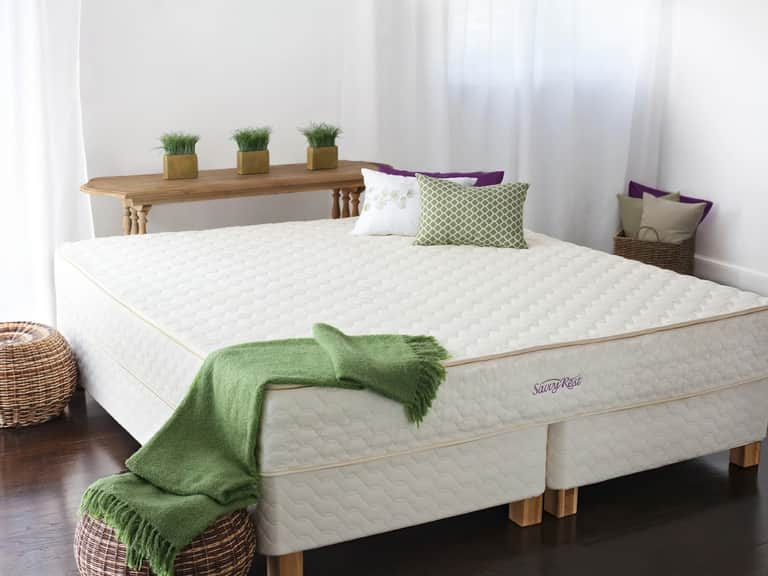
On this site, you may encounter a range of products that align with the organic ethos. One example is the Savvy Rest Serenity Latex Mattress, a 10-inch organic latex model known for its customization and use of certified organic Dunlop or Talalay latex. It demonstrates how organic materials can be configured to suit different firmness needs and sleep preferences, while maintaining transparency about certifications and sourcing. If you’re exploring this option, you can learn more about the Serenity’s configuration choices, materials, and warranty details through its product page.
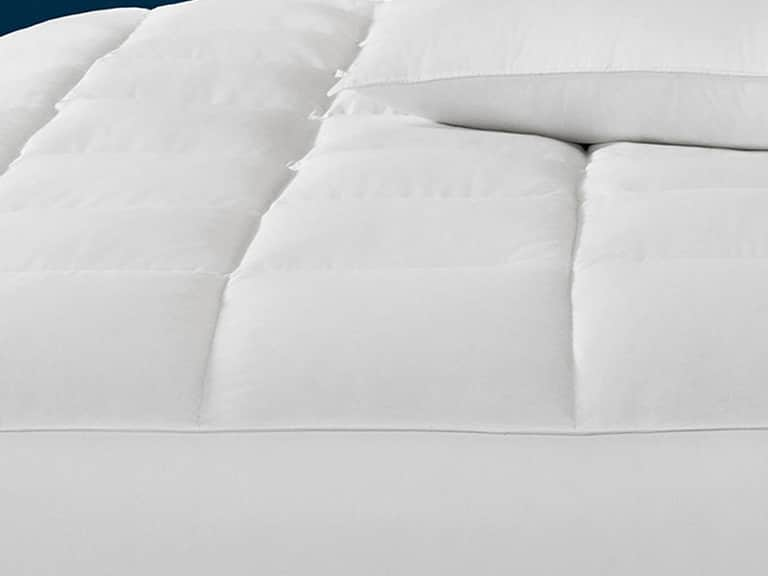
Another example is the Monmouth Mattress Pad by Sferra, which embodies an organic-friendly approach through high-quality materials like European white goose down and organic cotton, though pads are separate from the core mattress. While not a mattress, a well-made organic pad can complement an organic core by adding breathability and loft without introducing non-organic layers into the sleep surface.
Conclusion: choosing an organic path for sleep health
Opting for an organic mattress is a decision that blends sleep health with environmental responsibility. It reflects a commitment to materials that are clear of unnecessary chemicals, a supply chain built on sustainable practices, and a design that prioritizes comfort, temperature regulation, and long-term durability. By understanding common organic materials, certifications, and care strategies, you can approach mattress shopping with confidence and a clearer sense of the trade-offs involved.
If you’d like, this resource can expand into a longer guide with practical decision aids, such as a checklist for evaluating organic certifications, a glossary of terms (GOLS, GOTS, latex processing methods), and a matrix comparing organic vs. conventional options across key performance dimensions. The goal is to empower you to choose a sleep surface that aligns with your health, comfort, and environmental values without compromising on quality or longevity.
Related products mentioned
Savvy Rest Serenity Latex Mattress
Organic latex, wool, and cotton construction. Customizable layers to suit firmness preferences. 20-year warranty reference in product details.
Learn more about this mattress
Monmouth Mattress Pad
European goose down, organic cotton cover, 10" box construction. Adds breathable loft and comfort to your sleep surface.
Learn more about this pad
Note: Product details reflect genuine items available on the site and are provided for informational purposes. Availability and specifications may change. Always verify current product information before purchase.